


PCB prices surge as Middle East conflict disrupts supply chains
 Rabbia Zafar
|
3 hours ago
Rabbia Zafar
|
3 hours ago
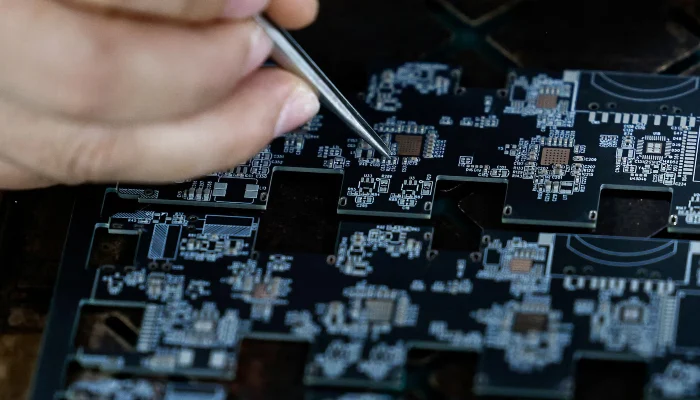
The ongoing conflict in the Middle East has disrupted global supply chains and led to a sharp rise in prices of printed circuit boards (PCBs), which are essential components used in smartphones, computers, and artificial intelligence servers.
Industry sources say manufacturers were already struggling with rising costs of memory chips, but the situation has worsened due to the war-related disruption of key raw materials, especially chemicals used in electronics production.
A major setback came after reported strikes on Saudi Arabia’s Jubail petrochemical complex in early April, which forced a halt in production of high-purity polyphenylene ether (PPE) resin. This material is critical for making PCB laminates used in advanced electronics.
Raghav Chadha faces massive backlash after switching political party
SABIC, a major global supplier responsible for around 70 percent of the world’s PPE output, has been unable to resume production at the affected facility. As a result, global supply has tightened significantly. Shipping routes in the Gulf have also been disrupted, further impacting delivery timelines and logistics.
At the same time, demand for PCBs has been rising due to the rapid expansion of artificial intelligence infrastructure. Companies are building more AI servers, which require advanced multi-layer PCBs, pushing demand higher than supply.
According to industry estimates, PCB prices increased by up to 40 percent in April alone compared to the previous month. Analysts expect prices to remain high as demand continues to outpace supply.
Other essential materials, including copper foil and glass fiber, are also facing shortages. Copper prices, which make up a large portion of PCB production costs, have risen sharply this year.
Experts warn that if instability in the Middle East continues, it could further strain global electronics manufacturing and increase costs for consumers worldwide.


Anne Hathaway rules out music career after latest film role

China develops coal-based battery that generates electricity without burning fuel

PSX remains subdued ahead of SBP monetary policy decision

Court restores passport control powers of government

PCB prices surge as Middle East conflict disrupts supply chains
Pakistan shifting from sick-care to preventive healthcare system: Health Minister



1 hour ago

2 hours ago
3 hours ago
3 hours ago

3 hours ago

3 hours ago
- The ongoing conflict in the Middle East has disrupted global supply chains and led to a sharp rise in prices…
- A video circulating on social media shows a reported drone strike targeting areas near Israeli troops in southern Lebanon’s Taybeh…
 North Korea is reportedly taking advantage of the ongoing Middle East conflict to accelerate its weapons development and strengthen its…
 China has strongly criticised a new European Union industrial policy proposal, warning that it will take countermeasures if the plan…


- Federal health authorities have ordered strict nationwide enforcement of a ban on conventional disposable syringes and initiated a policy review…
 Pakistan’s second national anti-polio campaign of 2026 is continuing across the country, with efforts now in its sixth day as…
 A shocking report by BBC has triggered nationwide outrage in Pakistan after alleging severe medical malpractice at a Tehsil Headquarter…
 Pakistan’s second National Anti-Polio Campaign of 2026 is continuing across the country with full momentum, as health workers aim to…




- Islamabad: The State Bank of Pakistan has increased the interest…1 hour ago
- Anne Hathaway has made it clear that she has no…2 hours ago
- Scientists in China have developed a new experimental technology that…3 hours ago
- The Pakistan Stock Exchange (PSX) witnessed a subdued trading session…3 hours ago